Welcome to Digital Marketing: Your New Best Friend
What’s Digital Marketing Anyway?
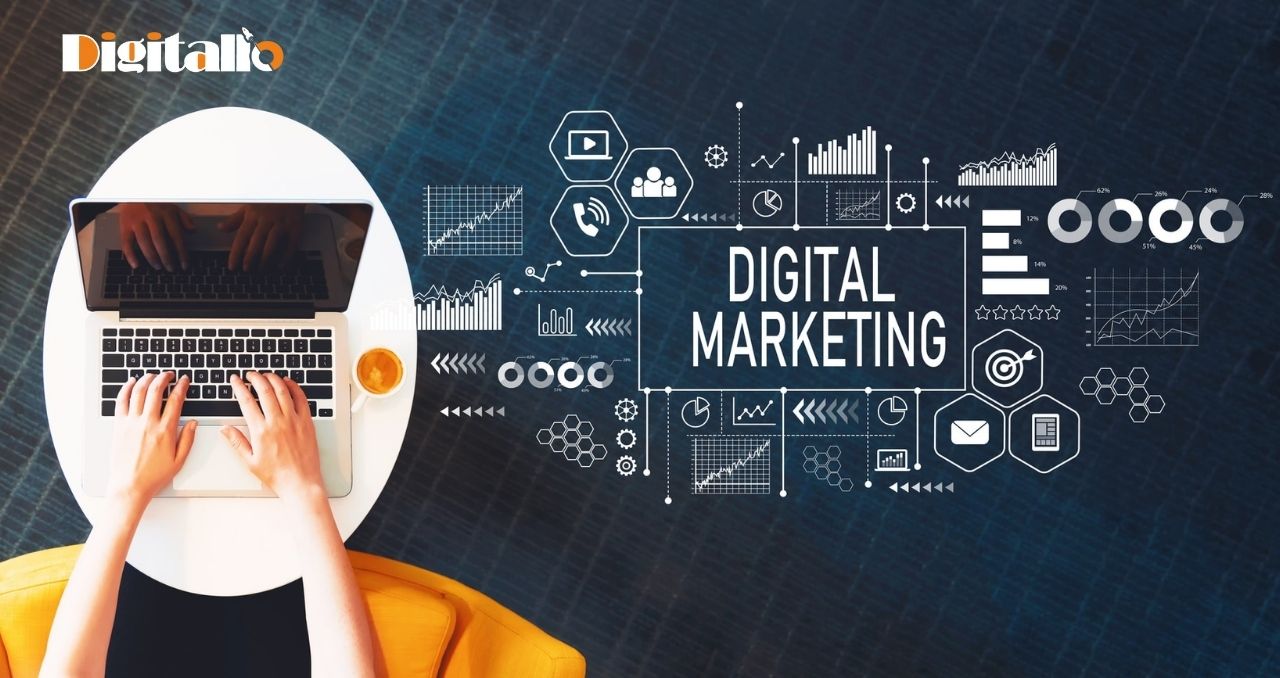
Imagine telling the world about your awesome product or service without leaving your house. That’s digital marketing! It’s like the cool digital version of the old-school advertising methods (like those flyers in your mailbox). But instead, you use the internet to shout out about your business. Think websites, Google searches, Instagram, emails, and more.
For example, if you bake the yummiest cookies in town, instead of just telling your neighbours, you can show off your cookies online and get orders from all over the city!
The Evolution of Digital Marketing: A Journey Through Time
1) The Dawn of Digital Marketing in the 1990s
The story of digital marketing starts in the 1990s. This was when the internet began to grow, thanks to the Web 1.0 platform. This platform lets people look up information but doesn’t let them share it online. At first, marketers didn’t know if their digital strategies would work because not many people used the internet.
2) The Rise of Clickable Ads and Banner Advertising
In 1993, the first clickable ad appeared online. Soon after, HotWired bought some banner ads. This was the start of marketing moving into the digital age. By 1994, new tech was popping up in the digital world. That same year, Yahoo started up.
3) The Explosion of Search Engines and Web Traffic
Yahoo, originally called “Jerry’s Guide to the World Wide Web,” got nearly 1 million visits in its first year. This success made companies want to improve their websites for better search engine spots. In 1996, new search engines and tools like HotBot and Alexa emerged.
Google was born in 1998. Microsoft also introduced the MSN search engine that year, and Yahoo launched the Yahoo web search. Smaller search engines disappeared after the internet bubble burst in 2000, leaving room for the big players. In 2006, search engine traffic hit 6.4 billion visits in just one month. Microsoft then replaced MSN with Live Search to compete with Google and Yahoo.
4) The Web 2.0 Revolution and User Interaction
Web 2.0 arrived next, making people active online users. They could now interact with others and businesses. This era was called the ‘super information highway’ because of the shared information. By 2004, internet ads in the US made about $2.9 billion.
5) The Social Media Boom and Marketing Transformation
Social networking sites like MySpace and Facebook started appearing. Companies saw these sites as new chances to market their products. This was a fresh start for business marketing.
6) The Role of Cookies in Personalized Advertising
The invention of the cookie was a big deal, too. It tracked what users did online to help tailor ads to their interests. Over time, cookies have become a key tool for marketers to gather data on user preferences.
7) The Dominance of Social Media in Digital Marketing
Now, digital products are always available to customers. A 2014 report showed that social media was the top online activity in the US. Americans spend an average of 37 minutes daily on social media. Many digital marketers use Facebook, Twitter, Pinterest, and Instagram to reach customers. Many have found new customers through Facebook and Twitter. Luxury brands are also using Pinterest. The top social media sites for marketers are LinkedIn, Twitter, and Facebook.
The Magic Tools of Digital Marketing
1. SEO: The Treasure Map to Your Business
SEO is your secret map that helps people find your business online. It’s about first making your website pop up when someone searches for something you offer. If you sell books online, using the right book-related words on your site can help book lovers find you easily when they search for their next read.
2. Pay-Per-Click (PPC): Your Ad on the Digital Billboard
PPC lets you place ads online; you only pay when someone is interested enough to click on it. It’s like having a billboard you only pay for when someone looks at it. If you’re selling cool sneakers, you can put up an ad that shows up when people search for stylish shoes.
3. Social Media Marketing: The Party Where Everyone’s Invited
Social media is like hosting a virtual party where you can chat with your customers, share photos, and build a community. If you own a café, you can post pictures of your latest coffee creation and chat with your customers about their favorite blends.
4. Content Marketing: Tell Your Story
Content marketing is about sharing stories, tips, and information your audience finds interesting. If you know tons about gardening, you can write blog posts or make videos about planting the perfect garden. It’s a great way to show you’re an expert and help people simultaneously.
5. Email Marketing: Your Message Directly to Their Inbox
Email marketing is like sending a personalized letter to your customers. You can share news, offers, and tips directly with them. You can email fitness tips or special offers on new gym wear if you sell workout gear.
Winning Strategies for Digital Marketing
- Have a Plan: Know Your Goals
Start by figuring out what you want to achieve. More visitors to your website? More sales? Having clear goals helps you focus and measure how well you’re doing.
- Know Your Audience: Who Are You Talking To?
Understanding your audience is like knowing exactly what ingredients you need for a recipe. If you’re selling eco-friendly clothes, knowing that your customers care about the environment helps you create messages that speak directly to them.
- Pick the Right Channels: Where to Share Your Message
Not every digital marketing tool will be right for you. Choose the ones that make the most sense for your business. If you run a pizza place, Instagram and emails might be the best way to tell people about your delicious pizzas.
Wrapping Up: Your Digital Marketing Adventure Awaits
Now that you know the basics, it’s time to dive deeper and start playing around with these tools. Digital marketing is always changing, so there’s always something new to learn. Start with one area, experiment, and see how it can help your business grow.
This guide is designed to be super straightforward and engaging, making digital marketing feel more accessible. We’ve made the content relatable and practical by including real-life examples, ensuring anyone can understand and apply these strategies to their business. Let’s embark on this digital marketing journey together and watch your business reach new heights online!