
Introduction:
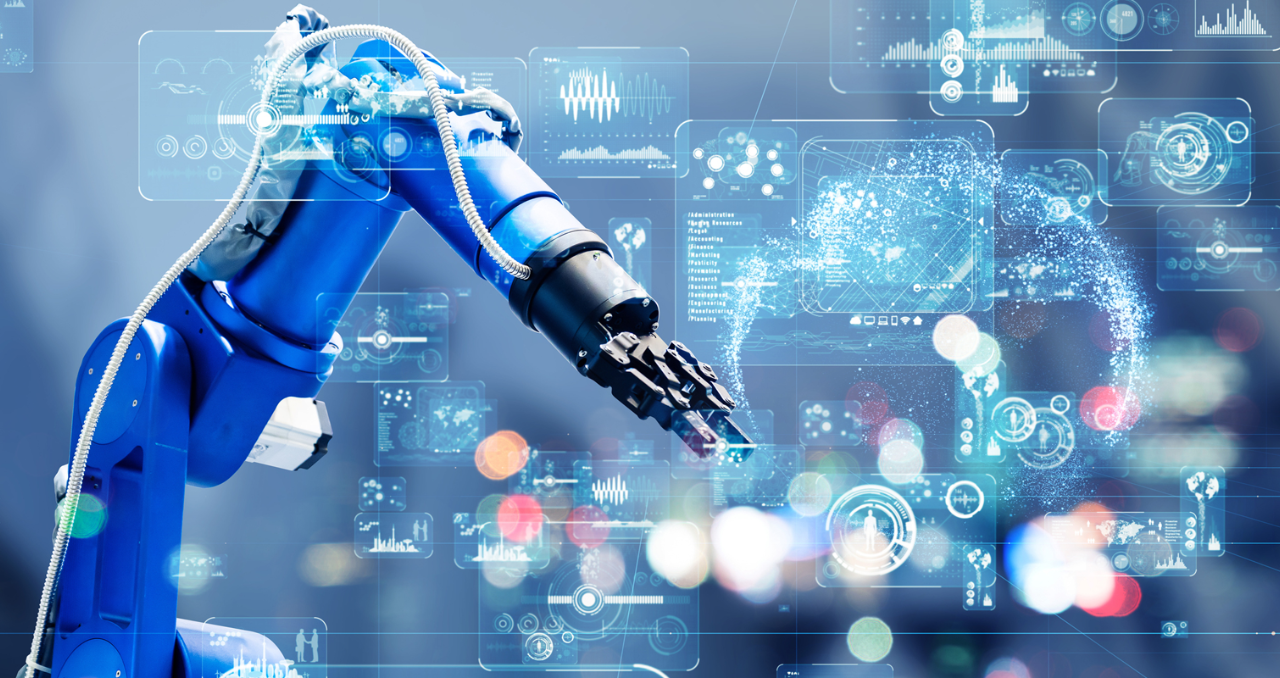
Imagine living in a world where robots are not just machines, but smart companions that can think, learn, and make decisions. This isn’t science fiction anymore; it’s the reality we’re moving towards, thanks to the powerful combination of artificial intelligence (AI) and robotics. AI acts like the brain for robots, giving them the ability to process information and learn from it. On the other hand, robotics brings these brains to life, allowing them to move, act, and do tasks. Together, they’re creating robots that are not just automatic but also intelligent.
At Digitallo, we’re excited to take you on a journey into how AI is transforming robotics. We’ll look at how these smart robots are becoming part of our everyday lives, making things easier, safer, and more efficient. From helping in homes to working in factories, these smart machines are reshaping our world. Join us as we explore the fascinating world of AI in robotics, where the future is happening right now.”
Enhancing Robot Capabilities with AI
Robots are getting smarter, thanks to artificial intelligence (AI). AI lets robots learn from what they do and get better over time. This means they can do their jobs more efficiently and handle new tasks they weren’t programmed for initially. Imagine a robot in a factory that learns to spot and fix problems on its own. This isn’t just handy; it’s changing how industries work.
Learning and Adapting: The New Normal
AI isn’t just about following instructions. It’s about allowing robots to understand and adapt to their surroundings. For instance, robots in healthcare, like those developed by entities such as Hanson Robotics, can now assist in surgeries, learning from each procedure to improve their performance.
Paving the Way for Innovation
When AI and robotics join forces, they open a world of possibilities. This partnership is creating new opportunities in various sectors, from manufacturing to healthcare, making our lives easier and safer.
A Future Full of Possibilities
Thanks to AI, robots are now stepping out of traditional roles. They assist in tasks ranging from assembling cars to caring for patients. Companies like AMP Robotics and Tesla are leading this change, using AI to make robots that can think and act in ways that were once thought impossible.
AI: A Revolution in Robotics
Artificial intelligence (AI) is changing the game for robots. Now, robots can do things on their own, learn as they go, and take on bigger tasks. This means they are becoming more like helpers that can think and make decisions. It’s like having a smart assistant that gets better every day.
- Robots Get Smarter
Thanks to AI, robots are now stepping up. They’re not just following orders; they’re learning from what they do. This learning makes them more helpful, especially for jobs that are tough or dangerous for people. For example, robots can now handle delicate tasks in surgeries, making them safer and more precise.
- Robots Working Everywhere
AI-powered robots are not just a future dream; they’re here, working in many areas of our lives. From making cars to helping patients in hospitals, these robots are making a big difference.
- From Factories to Space
Robots with AI are everywhere. In factories, robots like those from AMP Robotics are making things faster and with fewer mistakes. In healthcare, robots designed by teams at places like UC Berkeley’s Robot Learning Lab are helping doctors and nurses take care of people. There are even robots in space, doing jobs that would be too dangerous or impossible for humans.
AI’s Big Leap in Healthcare
In the world of medicine, AI is making a huge difference, especially with robots. These are not ordinary robots; they are equipped with AI, making them super helpers in hospitals. They learn and get better over time, helping doctors and nurses do their jobs better and safer.
-
Smarter Surgical Robots
Imagine robots helping in surgeries, making precise movements that are beyond human capability. This is not just imagination anymore; it’s real, thanks to AI. Surgical robots, enhanced by AI, can perform complex tasks with precision, reducing the risk of error and improving patient outcomes.
-
AI Robots to the Rescue During Pandemics
During tough times like pandemics, AI-powered robots have been real heroes. They’ve been there, delivering medicines, cleaning, and even assisting in patient care without getting tired. This not only keeps healthcare workers safe but also ensures patients get the care they need.
-
Healthcare Assistance Beyond Human Limits
AI doesn’t get tired or sick, making it perfect for tasks that need to go on around the clock. Robots in healthcare, guided by AI, can monitor patients’ health, manage data, and even support those who need constant care. It’s like having an extra set of hands that are always there to help.
Case Studies: Robots in Healthcare
-
Delivering Hope and Health
One remarkable example involves robots navigating hospital hallways to deliver medicines and supplies. These robots, equipped with AI, ensure that medical supplies reach the right place at the right time, reducing wait times and minimizing exposure to illnesses. Such innovations have been pivotal, especially during pandemic peaks, showcasing the potential of robotics in healthcare logistics.
-
Assisting with Patient Care
Another groundbreaking application is robots assisting in patient care. From performing routine check-ups to monitoring patient vitals, these AI-powered machines provide consistent, round-the-clock care. For instance, robots developed by companies like Hanson Robotics have been deployed in various healthcare settings to support staff by conducting initial patient assessments and automating routine tasks, thereby allowing human caregivers to focus on more complex care needs.
AI and Robotics Transforming the Workplace
-
Revolution in Manufacturing
The integration of AI and robotics in manufacturing has led to unprecedented efficiency and safety. Robots, with their ability to learn and adapt, are now undertaking tasks that are hazardous or repetitive, significantly reducing workplace injuries. Entities like Tesla have been at the forefront, employing robotics to automate assembly lines, resulting in higher precision and productivity.
-
Enhancing Efficiency Across Industries
Beyond manufacturing, AI-powered robots are transforming workplaces in diverse sectors. In logistics, robots from companies like AMP Robotics are streamlining sorting and packaging processes, enhancing speed and accuracy. These advancements not only improve operational efficiency but also contribute to a safer and more dynamic work environment.
Through these case studies, we see the transformative impact of AI and robotics in healthcare and the workplace, illustrating the versatility and potential of these technologies to improve efficiency, safety, and care quality.
Revolutionizing Manufacturing with AI in Robotics Automation
In the world of making things, from cars to smartphones, automation is changing everything. This is where robots come in, working alongside people to build better and faster. With AI, these robots are not just tools; they’re smart helpers that learn and improve.
-
The Automotive Industry: A Model of Efficiency
In the automotive sector, robots have taken center stage. They help assemble vehicles, from installing engines to painting car bodies, making the process faster and more precise. Companies like Tesla are leading the way, using robots to make electric cars. This not only speeds up production but also ensures each car is built to perfection.
The Electronics Boom: Powered by Robots
When it comes to electronics, precision is key. Here, robots play a crucial role, handling delicate parts and assembling devices with incredible accuracy. This has made it possible to produce everything from smartphones to laptops more efficiently, meeting the high demand of today’s digital world.
-
Smarter Manufacturing with AI
AI brings a new level of intelligence to manufacturing robots. They can now detect issues, adjust, and even predict maintenance needs. This means fewer mistakes, less waste, and a smoother production line. It’s like having an expert overseeing every step of the process, ensuring everything runs perfectly.
Automation and AI are not just making manufacturing faster; they’re making it smarter. In industries like automotive and electronics, where precision and efficiency are vital, these technologies are setting new standards, opening possibilities for innovation and growth.
Robotics in Hazardous and Repetitive Tasks
-
Safety First: Robots Taking on Risk
In many workplaces, certain jobs are too dangerous or monotonous for humans. That’s where robots step in. Equipped with AI, these robots can perform tasks in environments that are hazardous, such as handling toxic chemicals or working in extreme temperatures. This not only keeps people safe but also ensures tasks are done with precision and consistency.
AI-Powered Solutions Transforming Industries
-
Leading the Charge in Innovation
Several companies are at the forefront of integrating AI into robotics, revolutionizing how industries operate. For instance, AMP Robotics is transforming waste management with robots that can sort recyclables more efficiently than humans. Similarly, in the automotive sector, Tesla’s use of robotic assembly lines is setting new standards for production speed and quality.
-
Examples of Ai in Robotics in Action
In customer service, robots are being used to handle inquiries and provide assistance 24/7, improving the customer experience while reducing wait times. In the manufacturing realm, robots are taking over tasks such as assembly and packaging, showcasing their ability to work with precision and speed, significantly boosting productivity.
Navigating the Ethical Landscape of AI in Robotics
-
Ethical Concerns in the Spotlight
The integration of AI into robotics raises several ethical questions, particularly in sensitive areas like law enforcement. The deployment of AI-powered robots in policing and surveillance tasks presents moral and legal challenges, including concerns over privacy, accountability, and the potential for bias. It’s crucial for society to engage in open discussions about these issues, establishing guidelines and regulations that ensure AI is used responsibly and ethically.
-
Looking Forward: The Path to Ethical AI
The future relationship between humans and AI in robotics hinges on addressing these ethical considerations thoughtfully. Companies and researchers must work together with policymakers to ensure that AI-powered robotics are developed and deployed in ways that respect human rights, promote fairness, and safeguard individual privacy.
FAQ’s About Ai in Robotics
-
Define AI in robotics?
AI in robotics refers to the integration of artificial intelligence (AI) technologies into robotic systems, enabling them to perceive, learn, reason, and make decisions autonomously or semi-autonomously.
-
Give me the primary applications of AI in robotics?
The primary applications of AI in robotics include industrial automation, autonomous vehicles, healthcare assistance, agriculture, search and rescue operations, and household assistance.
-
How does AI improve robot perception and decision-making?
Answer:Firstly, AI boosts robots’ awareness with computer vision and sensor fusion, helping them accurately perceive their environment. Secondly, it lets robots make smarter choices by analyzing data. Thirdly, through predictive modeling, robots anticipate and adapt. In short, AI elevates robot capabilities, making them more responsive and intelligent.
-
What are the benefits of integrating AI into robotics?
Integrating AI into robotics enhances efficiency, productivity, and accuracy in various tasks. It enables rob autonomously dynamic environments, perform complex tasks autonomously, and improve overall performance and reliability.
-
Write the challenges associated with AI in robotics development?
However, it’s not all smooth sailing. We face hurdles such as making sure systems are safe and reliable, dealing with ethical issues like job losses and privacy worries, solving the technical puzzles in AI algorithms, fitting together different hardware and software, and figuring out the rules and laws for autonomous systems.
Conclusion
To wrap up, AI and robotics are a dynamic duo reshaping our world. With AI, robots aren’t just machines anymore—they’re smart helpers that can learn and adapt. But along with these exciting advancements come important questions about safety and ethics.
By tackling these challenges head-on and collaborating, we’re paving the way for a future where robots are our allies in making life better and more efficient